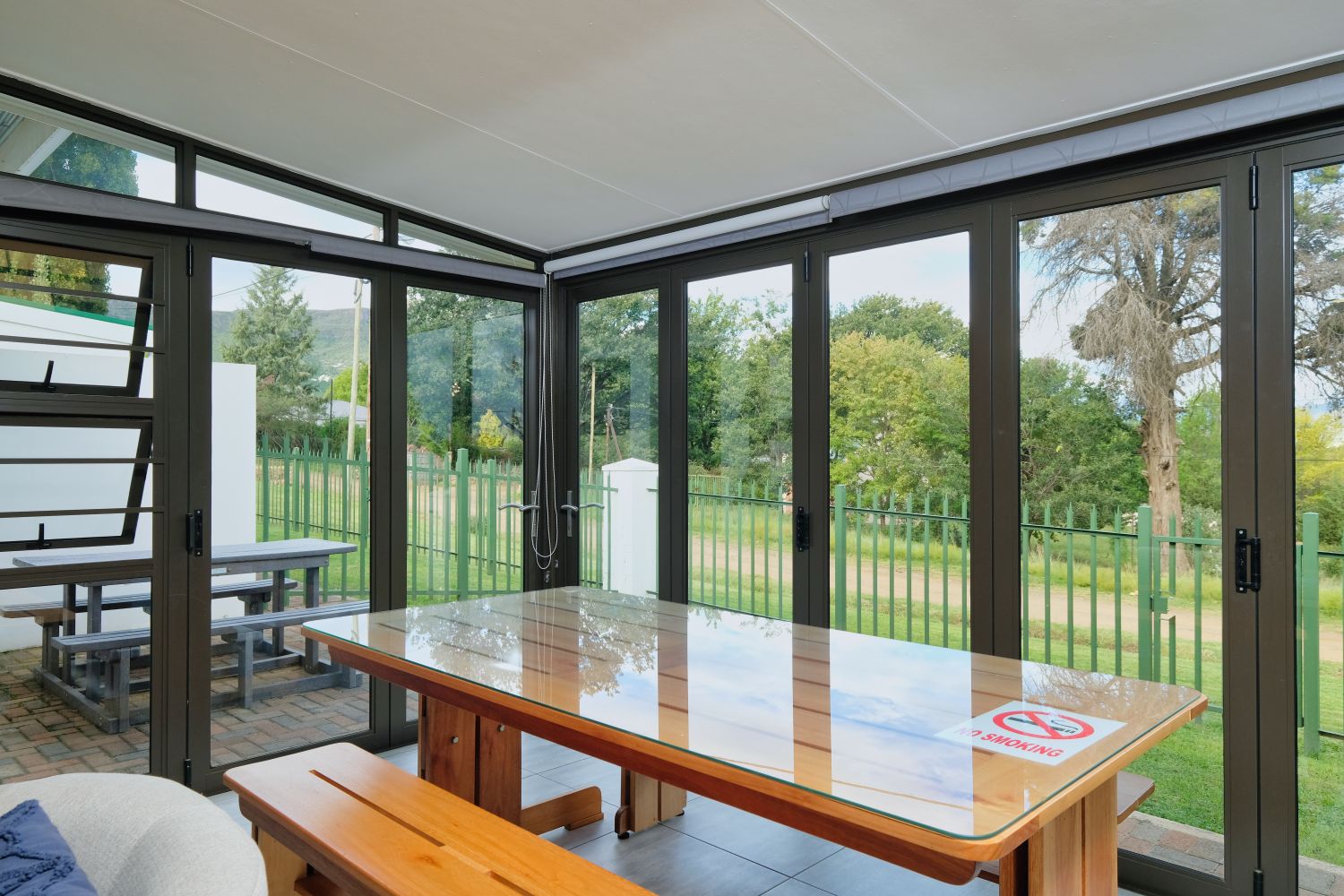
Do not rely on the label ‘conservatory’. Check the precise building-regulation exemption conditions and the structural and boundary work proposed.
Check whether an exemption really applies
Some conservatories meeting specified conditions can be exempt from certain building regulations, but the requirements are narrower than a blanket size rule. Separation from the house, independent heating, appropriate glazing and other features can matter. Removing the external doors and opening the entire rear wall can change the building-control position. Ask your local building-control body about the specific design before ordering a kit.
Plan foundations and drainage
A lightweight glazed superstructure still needs suitable support and movement control. Soil, trees, drainage routes and the existing house foundations may influence the base. A builder should establish whether the proposal involves nearby excavation that meets the technical tests in section 6 of the Party Wall Act. A conservatory immediately beside a boundary does not automatically need a section 6 notice, but deeper foundations close to a neighbouring building may.
Think about the opening to the house
Retaining an external-quality separating door is different from creating a wide permanent opening into a heated living space. An enlarged opening may require structural calculations and building regulations approval. If a support is cut into an existing party wall or another specified operation affects shared masonry, a party structure notice may also be relevant. The glazing supplier's specification does not decide these legal questions.
Confirm planning and neighbour requirements
Permitted development or planning approval depends on the location and scale of the addition and applicable English or Welsh rules. Consent under planning law is not consent under the Party Wall Act. Before fixing an installation date, identify which drawings are needed for building control, what foundation details are available and whether a statutory notice period must be allowed.
Does this project need a party wall notice?
A conservatory may require no party wall notice if the work avoids the Act's triggers. A new wall at the boundary, notifiable alterations to shared masonry or qualifying excavations may change that. Our builder cannot produce section 6 excavation documentation.
Checklist before work begins
- Confirm building-regulation exemption conditions for this exact design.
- Check whether external separation from the house is being retained.
- Obtain foundation and drainage details near neighbours.
- Review boundary-wall and party-wall alterations separately.
Think you may need a notice?
Check your work for free. A personalised £4.99 PDF is available only if it fits the builder’s supported notice types.
Related guides
GOV.UK party wall explanatory booklet ↗ · Party Wall etc. Act 1996 ↗
Last reviewed: 22 October 2026. Information is not a substitute for professional assessment of your project.