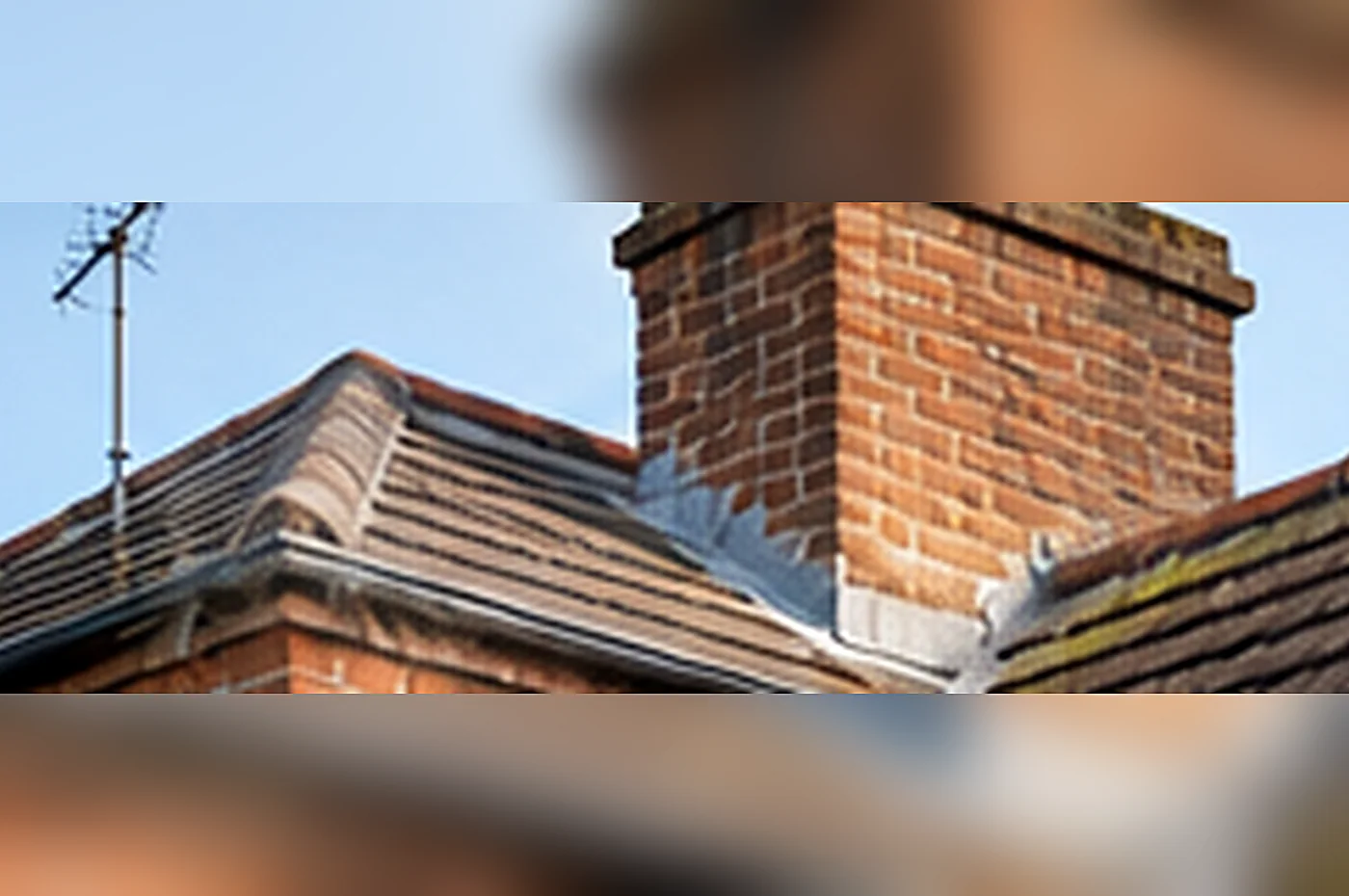
Work to a shared chimney or party structure may fall under section 2 of the Party Wall etc. Act. Confirm whether the stack is shared, how it is supported and whether the proposed removal affects the neighbour before preparing any notice.
Focus: shared chimney stack. This guide looks at the details that can change the legal position rather than assuming every homeowner needs a notice.
Identify the stack’s actual construction
A chimney rising at the line between terraced or semi-detached houses may be part of a shared wall or may contain separate flues serving the two properties. Visual position alone does not prove which parts belong to whom. The arrangement should be surveyed before any dismantling starts.
Separate the internal breast from the roof-level stack
Some owners remove the fireplace and internal breast but leave the stack in place, which creates its own support questions. Others propose lowering or removing the roof-level masonry. The structural design must address the remaining masonry, any flues still in use and the roof weathering. These are not interchangeable jobs and notices should describe the actual scope.
Plan safe support and weatherproofing
An engineer or appropriately qualified professional should check the support of the remaining chimney or shared structure. The roofer should explain how roof covering, flashing and party wall junctions will be made weather-tight. The Party Wall Act does not replace these technical duties.
Consider section 2 before fixing a start date
Where the work affects an existing party wall or party structure, a party structure notice may be required, commonly with a two-month notice period. Minor work wholly on your own non-shared components can be different. Provide enough detail for the adjoining owner to understand exactly what masonry will be removed and protected.
What if your neighbour uses the chimney?
Do not assume an unused fireplace in your home means all flues or the stack are redundant. Ask about the neighbouring property’s use and obtain suitable inspection where necessary. Any live flues, boilers or ventilation arrangements need separate competent assessment.
What if the neighbour does not consent?
The statutory procedure can lead to surveyor appointment and an award where works are notifiable and a dispute arises. Do not treat a lack of reply as permission. A self-service notice draft is not a party wall award and cannot make unsafe chimney removal acceptable.
Not sure whether notice is needed?
Check your project first. Buy a £4.99 PDF only if the work fits the builder’s supported routes.
Continue with a related guide
Which part of the chimney is being removed?
Chimney breast
The projecting masonry inside a room. Removing it may affect a party wall, structural support and the remaining flue.
Chimney stack
The masonry above roof level. It may serve two properties, carry multiple flues or straddle the shared wall. Its supporting structure and weatherproofing need specific attention.
Shared flue
A neighbour may still use a flue even if your fireplace has been removed. Do not assume that unused on your side means unused for everyone.
Example: one terrace owner wants to lower a shared stack
In a Victorian terrace, the owner wants to remove a deteriorating chimney stack down to roof level. The brickwork sits above the shared wall, and the next property retains a working fireplace. The proposal is not simply private roof maintenance: structural and property rights need considering, and section 2 may apply to alterations to the party structure.
Have a competent engineer or specialist surveyor establish support, flue use, temporary weather protection and the proposed structural details before serving any required notice. This guide does not tell anyone to remove load-bearing masonry themselves.