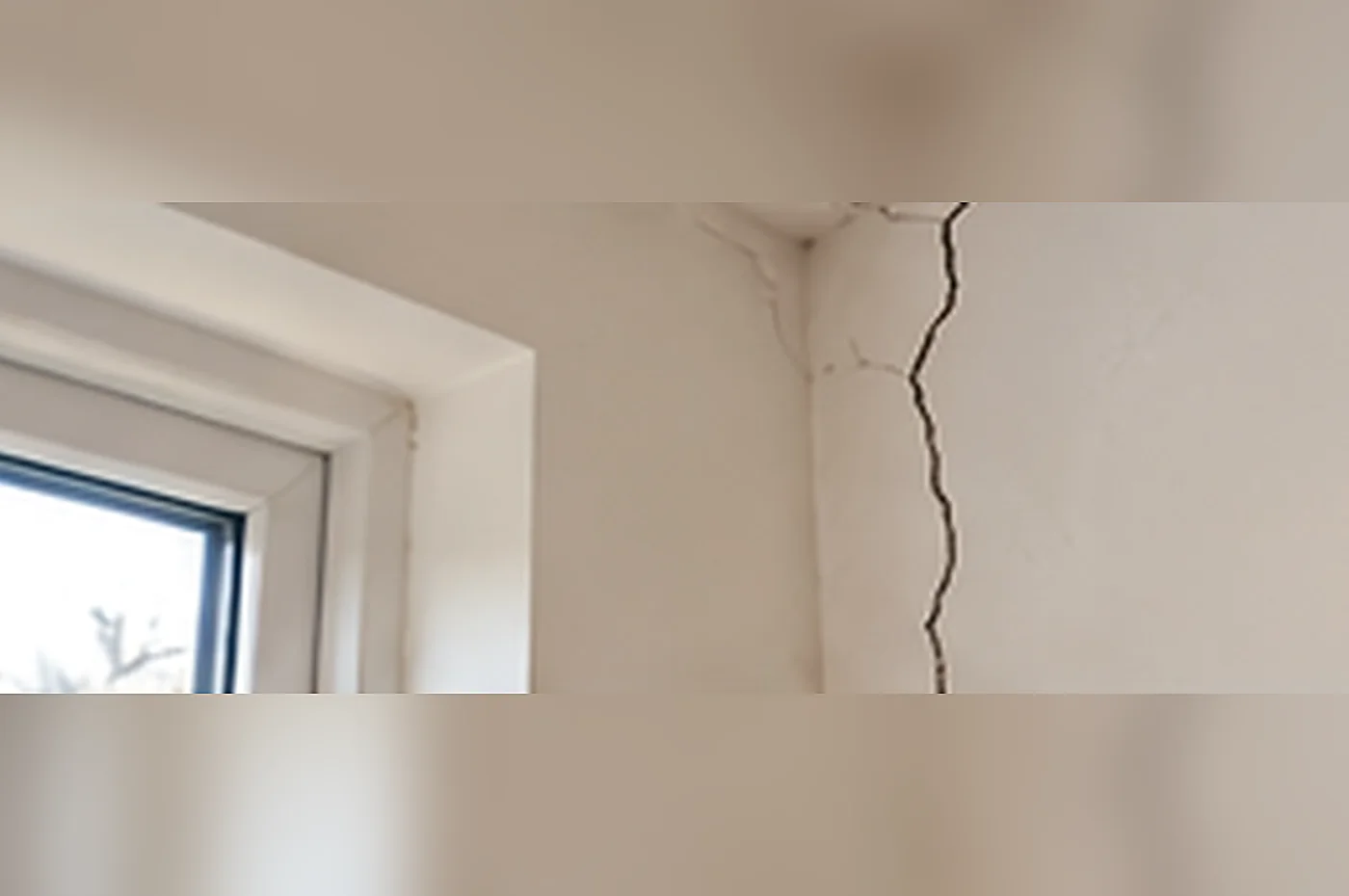
Take dated photographs, note where and when the cracks appeared and seek qualified advice for signs of structural movement. The Party Wall Act can be relevant where the adjoining works fall within its scope, but it does not replace structural assessment or an insurance claim.
Record the changes, not just the damage
Photograph the crack with a ruler for scale, showing both a close view and the wall or ceiling around it. Record the date, room and whether windows or doors have started sticking. Keep older photographs if you have them. Avoid filling or repainting the affected area before it has been properly documented unless an urgent safety measure is required.
Separate an urgent safety concern from a neighbour dispute
If there is sudden significant movement, falling masonry, a seriously distorted opening or another sign of immediate danger, keep clear of the affected area and seek urgent professional assistance. Do not rely on an online party wall guide to tell you whether a structure is safe.
Find out what work was carried out next door
Ask whether excavation, underpinning, beam installation or work to a party wall took place, and when. That timeline helps a surveyor or engineer evaluate the situation. It is not proof of causation on its own. An independent expert can examine crack shape, movement and building history.
Check for a schedule of condition or party wall award
Where a party wall dispute was resolved by surveyors, an award and any schedule of condition may document the agreed work and condition of the adjoining property. Request the relevant paperwork, then discuss the damage with the appointed surveyor. Their jurisdiction depends on the particular works and dispute; do not assume every compensation question belongs in an award.
What if the neighbour did not serve a notice?
A notice may not have been required, or notifiable work may have been started without one. The correct response depends on the facts. If you suspect notifiable work without the statutory process, independent party wall and legal advice can help identify appropriate remedies, including time-sensitive steps where work is ongoing.
Keep communication practical and in writing
Send a calm record of the dates and what you observed, request the contractor or surveyor contact details and ask for a proposed inspection. Retain correspondence and receipts. Do not make allegations about fault before an appropriate assessment has established the likely cause.
Not sure whether notice is needed?
Use the free checker to understand the relevant work. For section 6 excavation, completed work or an active dispute, seek independent advice; the £4.99 builder is not a suitable remedy.
Continue with a related guide
What to do when you first spot a crack
Immediate concern
If a wall appears unstable, there is sudden significant movement, doors or windows jam abruptly, or masonry seems ready to fall, keep people clear and seek urgent advice from a qualified structural engineer or the appropriate emergency service. Do not wait for a neighbour dispute to be resolved.
Recording non-emergency changes
Photograph the crack with a ruler or coin for scale, note its exact location and date, and repeat from the same position. Save earlier photographs where available. Avoid guessing a cause from one image.
A useful evidence log
| Record | Useful detail |
|---|---|
| Location | Room, wall, height above floor and nearby window or door |
| Time | When you first noticed it; any relevant construction activity |
| Change | New, widening, unchanged, associated with sticking doors or moisture |
| Documents | Photos, messages, schedule of condition, award if one exists |
The Party Wall etc. Act is not a general compensation scheme for all neighbour-related damage. If the works were notifiable, any award and pre-work schedule of condition can help establish the factual position. If not, other routes may apply and an independent professional assessment may be needed.