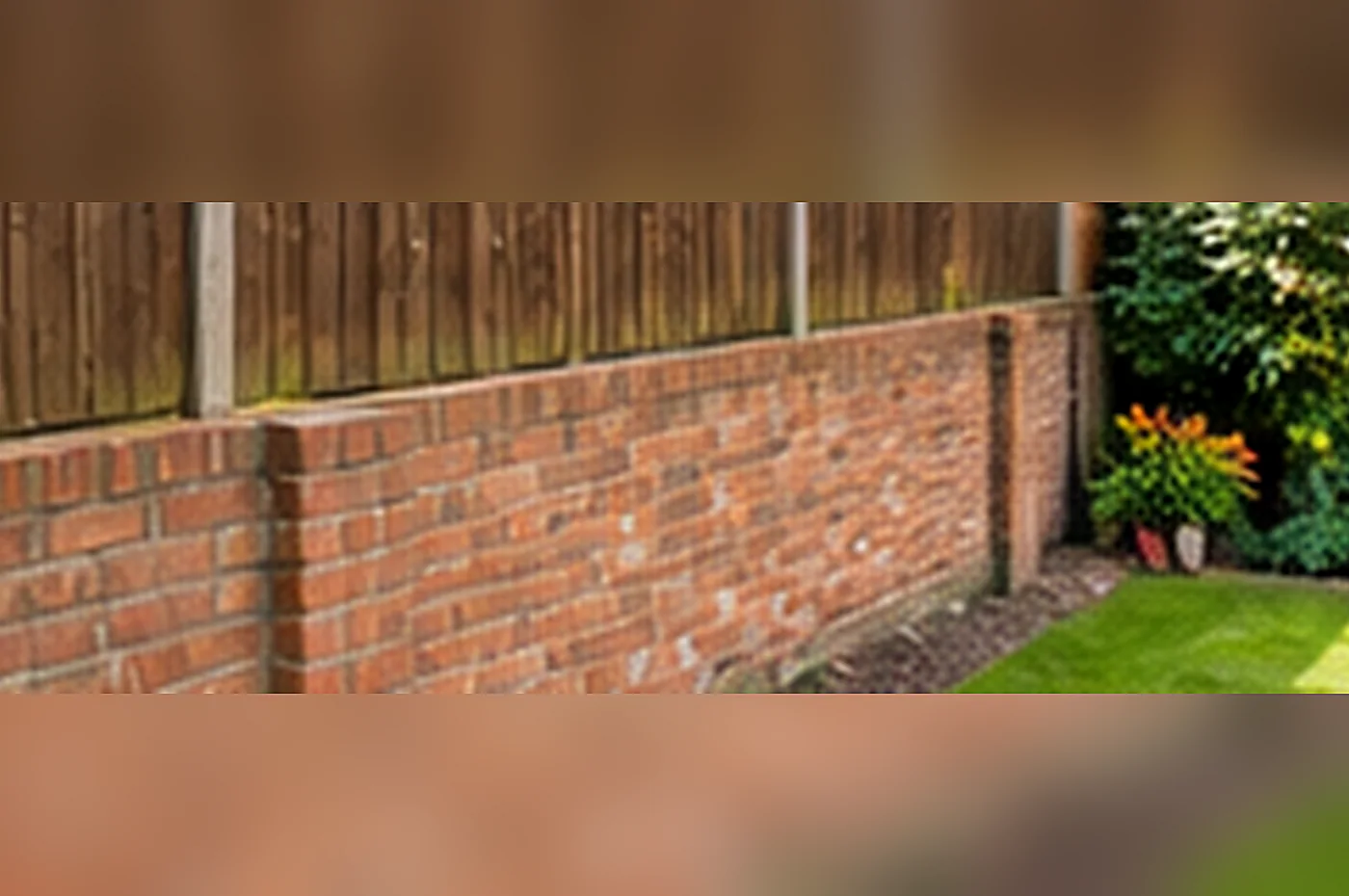
A party fence wall generally means a masonry or similar wall standing on land of different owners and used to separate the land, without forming part of a building. It does not mean a timber fence or hedge.
Focus: party fence wall. This guide looks at the details that can change the legal position rather than assuming every homeowner needs a notice.
Why the Act uses a different name for garden walls
Party walls usually separate buildings or otherwise support structures. A party fence wall is different: it is a wall at the boundary that separates two owners’ land without being part of a building. The government’s explanatory booklet gives a masonry garden wall as an example, expressly excluding wooden fences and hedges.
A timber fence is not automatically a party fence wall
Replacing a fence panel, installing posts and repainting a timber fence are not section 2 party-wall operations merely because the fence is between gardens. Other matters such as boundary ownership, permissions and damage can still arise, but those are not solved by a party wall notice.
What if the masonry wall is entirely on one side?
Do not infer ownership from which side looks neat or from where old posts stand. A wall wholly on one owner’s land may not meet the definition of a party fence wall. A wall at a junction can raise section 1 issues if a new wall is proposed, while an existing wall may fall into different provisions. Accurate plans and construction evidence help.
Repairing or rebuilding a qualifying wall
Section 2 covers particular operations to party structures and party fence walls, including some repair and reconstruction where needed because of defects. If proposed work is covered, notice procedures and protection for the adjoining owner may apply. A neighbour’s informal agreement to “tidy the wall” may not capture what structural work will actually happen.
New garden wall or existing shared garden wall?
Building a new wall at the line of junction involves a different analysis from repairing an existing party fence wall. A proposal to construct astride the line raises written-consent considerations. If the other owner does not consent, that does not give automatic permission to put half the wall on their land.
Keep boundary disagreements separate
The Party Wall Act is not a general process for deciding the legal boundary line. If neighbours disagree about ownership or location, get the relevant boundary evidence examined rather than assuming a party wall surveyor can settle every property-title question.
Not sure whether notice is needed?
Check your project first. Buy a £4.99 PDF only if the work fits the builder’s supported routes.
Continue with a related guide
Fence, party fence wall or garden retaining wall?
- Timber fence or wooden panels
- Usually not a party fence wall. Its position or responsibility may raise an ownership issue, but ordinary fence replacement is not automatically notifiable.
- Masonry wall astride a boundary
- May be a party fence wall if it does not form part of a building. Certain works to a qualifying party fence wall are dealt with under the Act.
- External wall of a house on the boundary
- Usually a different category of structure: the fact that a wall marks a boundary does not automatically make it a party fence wall.
- Retaining wall on one owner's land
- Its ownership, load and position need assessing. A wall carrying one garden's higher soil level is not necessarily a party fence wall.
Example: replacing an old garden divider
Two neighbours share a long brick garden wall sitting on the boundary. The owners plan to take down and rebuild a leaning section. Before work, check the wall's position and whether it qualifies as a party fence wall, then identify whether the planned rebuilding is a notifiable section 2 operation. If the replacement is a new wall at the line of junction, section 1 may be relevant too.
The official booklet uses “party fence wall” for qualifying masonry garden walls, not for every fence that separates properties.